
Your Ultimate Source for Business Book Insights

Kathleen Delaney

At Kathleen Delaney’s Book Reviews, we are passionate about business literature and dedicated to helping entrepreneurs, managers, and professionals discover the best books to enhance their skills and knowledge. Whether you’re seeking inspiration, strategic insights, or practical advice, our comprehensive reviews and recommendations will guide you to the right reads.

Discover the Best Business Books

Our expertly curated reviews cover a wide range of business topics, including leadership, marketing, finance, entrepreneurship, and more. We provide detailed analyses of the latest and greatest business books, highlighting key takeaways and actionable insights to help you make informed decisions about your reading list.

Featured Sections

Must-Read Business Books

Explore our selection of must-read business books, carefully chosen for their valuable content and impact on the business world. Stay ahead of industry trends and gain new perspectives from thought leaders and successful entrepreneurs.

Author Spotlights

Dive into the stories behind your favorite business books with our Author Spotlights. Learn about the authors’ backgrounds, inspirations, and key contributions. Our exclusive interviews offer a unique opportunity to hear directly from the minds that shape business literature.

Reader Community

Join our vibrant Reader Community to connect with fellow book enthusiasts. Participate in discussions, share your own reviews, and engage in book clubs. Our community is a place for exchanging ideas, gaining insights, and growing together.

Latest Blog Posts

Stay updated with our latest blog posts, featuring in-depth reviews and recommendations on a variety of business topics. From essential tools for entrepreneurs to mastering marketing strategies, our blog is your go-to resource for continuous learning and professional development.

Why Kathleen Delaney’s Book Reviews?

  • Expert Insights: Benefit from detailed and unbiased reviews written by industry experts.
  • Comprehensive Coverage: Explore a wide range of business topics and discover books that meet your specific needs.
  • Community Engagement: Connect with other readers, share your thoughts, and participate in enriching discussions.
  • Author Access: Gain deeper insights through exclusive interviews and profiles of notable business book authors.

Connect with Us

We love hearing from our readers! Whether you have questions, need book recommendations, or want to share your feedback, feel free to reach out. Follow us on social media for the latest updates, book reviews, and community activities.

  • How Natural Materials Can Transform the Feel of a Home

    The materials used throughout a home can influence much more than its appearance. They affect how a room feels, how light moves through the space, and even how people interact with it.

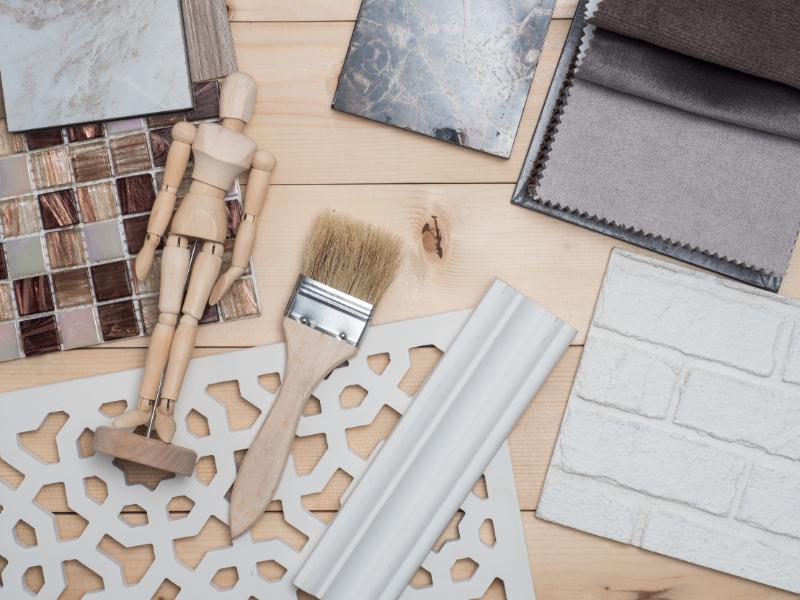
    Natural materials such as wood, stone, linen, wool, leather, and clay bring texture and variation that manufactured materials often struggle to replicate. They can make a newly renovated space feel warmer, help a modern interior feel less stark, and add a sense of permanence to rooms that might otherwise feel overly polished.

    The key is not simply adding more natural materials. It is understanding how to use them together.

    Wood Adds Warmth and Texture

    Few materials have the ability to make a room feel immediately warmer than wood.

    Wood can be incorporated through flooring, exposed beams, cabinetry, furniture, doors, shelving, or smaller decorative details. Different species and finishes can create very different effects, from light and contemporary to dark and traditional.

    Interior designers often use this approach to establish a cohesive material palette while still giving each room its own identity. For example, the work of Magali Sonterre demonstrates how materials, furnishings, and architectural elements can be considered together to create interiors with warmth and character.

    The natural variation in wood grain is also useful for breaking up large areas of uniform color. A simple wooden table, for example, can introduce visual interest without requiring an elaborate design.

    Wood does not necessarily need to match throughout the home, either. Combining different tones can create a more layered and relaxed appearance when the finishes have some relationship to one another.

    Stone Creates a Sense of Permanence

    Stone brings another quality to interiors: a feeling of permanence.

    Marble, limestone, travertine, slate, and other natural stones can be used for countertops, flooring, fireplaces, bathroom surfaces, walls, and architectural details. Each slab or piece has its own variation, which means no two installations look exactly alike.

    Stone can also provide an important contrast to softer materials. A stone fireplace surrounded by linen furniture, for example, creates a balance between solidity and comfort.

    Rather than covering every surface with the same material, consider using stone strategically where its texture and natural variation can become part of the room’s character.

    Textiles Make Spaces Feel Comfortable

    Natural textiles can soften the harder elements of a room.

    Linen, cotton, wool, and other natural fibers can be used for curtains, upholstery, bedding, rugs, and accent pieces. Their texture can make a space feel more relaxed and comfortable while adding subtle visual variation.

    Linen is particularly effective in rooms where a casual, understated atmosphere is desired. Wool can add warmth through rugs and upholstery, while cotton works well for everyday furnishings.

    The goal is not necessarily to make everything soft. Contrast is important. Hard surfaces become more inviting when they are balanced with tactile textiles.

    Leather Develops Character Over Time

    Leather is another natural material that can add depth to an interior.

    A leather chair or sofa may initially have a relatively uniform appearance, but natural leather can develop patina through use. Small marks and changes in color can become part of the piece’s character rather than something that needs to be hidden.

    This makes leather particularly useful in spaces where durability and longevity are priorities.

    Pairing leather with wood, stone, wool, or linen can also create a balanced material palette without relying heavily on decorative accessories.

    Clay and Ceramic Add Handmade Character

    Not every natural element needs to be architectural.

    Ceramics, terracotta, clay vessels, handmade tiles, and other crafted objects can introduce subtle irregularity to an otherwise highly finished interior. Small variations in shape, glaze, and texture make these pieces feel individual.

    They can be particularly effective when used alongside contemporary furniture because the handmade quality provides contrast.

    A simple ceramic vessel on a shelf or a handmade tile backsplash can contribute more character than a room filled with generic decorative objects.

    Consider How Materials Age

    One advantage of many natural materials is that they can become more interesting with age.

    Wood can develop deeper tones. Leather can develop patina. Certain stones acquire subtle changes through years of use. Natural textiles can soften over time.

    This can make a home feel more established and personal.

    When selecting materials, consider not only how they look on the day they are installed but also how they might look five or ten years later. A material that becomes more beautiful with reasonable use can be a worthwhile long-term choice.

    Combine Materials Rather Than Matching Everything

    A room made entirely from one material can feel flat, even when the material itself is beautiful.

    Instead, think about creating relationships between contrasting surfaces.

    A kitchen might combine natural wood cabinetry with stone countertops and linen window treatments. A living room could pair a leather chair with a wool rug, a wooden table, and ceramic accessories. In a bathroom, stone can be balanced with wood cabinetry and textured towels.

    These combinations create layers that make the room more visually interesting.

    Pay Attention to Light

    Natural materials can look dramatically different depending on the lighting in a room.

    Wood may appear warmer in afternoon sunlight. Stone can reveal patterns and variations that are less obvious under artificial lighting. Linen and wool can create subtle shadows because of their texture.

    Before committing to a large material installation, consider how it will look throughout the day.

    Samples are especially useful for this reason. A material that looks perfect under a showroom’s lighting may have a completely different appearance in your home.

    Keep the Overall Palette Simple

    Using natural materials does not mean every room needs to contain as many different textures as possible.

    Too many competing materials can make a space feel visually chaotic. A simpler palette often allows individual materials to stand out.

    One useful approach is to choose two or three primary materials and then introduce smaller variations through furniture and accessories. For example, warm wood and stone could form the foundation of a room, while linen, wool, and ceramic provide supporting textures.

    The result can feel sophisticated without appearing overly designed.

    Think Beyond Trends

    Interior trends change quickly, but natural materials tend to have a longer visual lifespan.

    That does not mean every natural material is automatically timeless. Styles, colors, finishes, and applications still change. However, materials with genuine texture and variation often provide a more enduring foundation than highly trend-specific finishes.

    When designing a home, consider which elements should make a statement and which should provide a lasting backdrop.

    Natural materials are particularly useful for the latter.

    Creating a Home With Depth

    A home does not need to be filled with expensive finishes to feel thoughtful and inviting.

    Often, the difference comes down to texture, variation, and the way materials relate to one another. Wood can add warmth, stone can provide permanence, textiles can introduce softness, and handmade objects can bring individuality.

    The most successful interiors tend to balance these qualities rather than relying on a single material or style.

    By choosing materials based not only on appearance but also on how they feel, age, and interact with the rest of the home, homeowners can create spaces that become more personal over time.

    Natural materials are not simply a design trend. Used thoughtfully, they can become part of the character and story of the home itself.


  • Why Mindful Pilates Is Becoming a Go-To for Sustainable Wellness

    Wellness trends come and go, but practices that emphasize longevity, awareness, and balance tend to stand the test of time. One approach gaining lasting traction is mindful Pilates, a movement method that prioritizes intentional motion, breath, and nervous system regulation. Studios like Mind and Motion pilates reflect a growing shift away from purely performance-driven fitness and toward sustainable, body-aware movement that supports long-term health.

    At its core, mindful Pilates bridges the gap between physical conditioning and mental clarity. Rather than pushing through discomfort or chasing exhaustion, the practice encourages participants to listen closely to their bodies, move with control, and cultivate awareness in every repetition.

    The Difference Between Exercise and Mindful Movement

    Traditional workouts often emphasize intensity, speed, or calorie burn. While those goals can have value, they can also lead to burnout, injury, or a disconnect from the body’s actual needs. Mindful Pilates takes a different approach.

    Each movement is performed with focus and precision, engaging stabilizing muscles and aligning breath with motion. This creates a feedback loop between mind and body, allowing practitioners to notice patterns, imbalances, and tension that might otherwise go unnoticed.

    Over time, this awareness translates into better posture, improved mobility, and fewer chronic aches. Just as importantly, it fosters a sense of calm and control that extends well beyond the mat.

    Why Sustainability Matters in Wellness

    One of the biggest challenges in modern wellness culture is sustainability. Many people start fitness routines with enthusiasm, only to abandon them weeks later due to fatigue, injury, or unrealistic expectations.

    Mindful Pilates addresses this issue by being adaptable and scalable. Movements can be modified to meet individuals where they are, whether they are recovering from injury, managing stress, or simply looking for a balanced way to stay active.

    Because the practice emphasizes quality over quantity, it supports consistency. And consistency, not intensity, is what ultimately leads to lasting physical and mental benefits.

    The Mind-Body Connection in Practice

    Pilates was originally designed as a system that integrates mental focus with physical strength. Mindful Pilates honors that foundation by placing attention on breath patterns, spinal alignment, and controlled transitions.

    This focus has measurable effects. Studies on mind-body exercise have shown improvements in balance, core strength, and coordination, along with reductions in stress and anxiety. When movement becomes a form of meditation, it can help regulate the nervous system and improve emotional resilience.

    For many practitioners, classes become a space not just to strengthen the body, but to reset mentally. That combination is especially valuable in a world where stress and distraction are constant.

    Supporting Long-Term Strength and Mobility

    Another reason mindful Pilates is gaining popularity is its emphasis on functional strength. Rather than isolating muscles for appearance alone, the practice builds integrated strength that supports everyday movement.

    Core stability, joint alignment, and controlled flexibility all contribute to better movement mechanics. This can reduce the risk of injury and support healthy aging, making Pilates an appealing option across all life stages.

    Unlike high-impact workouts that may become harder to maintain over time, mindful Pilates often becomes more rewarding as awareness and control deepen.

    A Wellness Practice That Evolves With You

    Perhaps the most compelling aspect of mindful Pilates is its ability to evolve alongside the individual. Goals change over time, and so do bodies. A sustainable wellness practice must be flexible enough to adapt.

    Mindful Pilates meets that requirement by offering variety without chaos, challenge without strain, and structure without rigidity. Whether someone is seeking rehabilitation, stress relief, or a stronger connection to their body, the practice remains relevant.

    As more people seek wellness approaches that support both physical health and mental clarity, mindful Pilates continues to stand out. It is not about doing more, but about moving better, paying attention, and building a relationship with the body that lasts.

    In a wellness landscape crowded with extremes, mindful Pilates offers something refreshingly grounded: a path to strength, balance, and awareness that supports the whole person, not just the workout.

    Why Mindful Pilates Is Becoming a Go-To for Sustainable Wellness
  • The Role of Professional Car Services in Modern Urban Living

    Modern urban life moves fast. Between work commitments, social engagements, and travel demands, reliable transportation has become an essential part of daily living rather than a luxury. As cities grow more congested and schedules more complex, many individuals are turning to professional transportation providers like Limo La Jolla a San Diego car service to simplify how they move through the city and beyond.

    Professional car services now play a meaningful role in supporting convenience, reliability, and balance in modern urban lifestyles.

    Transportation as a Quality-of-Life Factor

    Urban residents often underestimate how much transportation affects daily stress levels. Navigating traffic, finding parking, and managing time constraints can quickly drain energy before the day even begins.

    Professional car services remove many of these friction points. By outsourcing driving responsibilities, individuals reclaim time and mental space that would otherwise be spent on logistics. This shift allows people to focus more fully on work, relationships, and personal well-being.

    In cities like San Diego, where activities and destinations are spread across multiple neighborhoods, dependable transportation becomes a valuable lifestyle tool.

    Supporting Professional and Personal Schedules

    Modern schedules are rarely linear. A single day may include meetings, appointments, social events, and travel connections. Coordinating transportation between these commitments requires precision.

    Professional car services are designed to adapt to dynamic schedules. Flexible pickup times, route planning, and door-to-door service allow individuals to move seamlessly from one engagement to the next.

    This reliability is especially beneficial for professionals who value punctuality and consistency. Knowing that transportation is handled professionally reduces uncertainty and supports smoother transitions throughout the day.

    Redefining Convenience in Urban Environments

    Convenience in urban living is no longer limited to proximity. It is defined by ease, efficiency, and predictability.

    Rather than navigating ride-share availability or managing personal vehicles, many urban residents prefer scheduled car services that offer consistency. This approach reduces last-minute stress and creates a more controlled travel experience.

    Professional car services also support convenience for special occasions, evenings out, or events where parking or driving may be inconvenient. The ability to arrive and depart without logistical concerns enhances the overall experience.

    Comfort as a Daily Standard

    Comfort plays a growing role in transportation choices. Long commutes, frequent travel, and extended time spent in vehicles make comfort more than a preference.

    Professional car services prioritize clean, spacious vehicles and smooth rides that support relaxation or productivity. Whether preparing for a meeting or unwinding after a long day, the environment inside the vehicle contributes to how individuals experience their time.

    In urban settings, where stress levels can be high, small improvements in comfort make a noticeable difference over time.

    Enhancing Safety and Peace of Mind

    Safety remains a key consideration in urban transportation. Professional drivers bring experience, local knowledge, and training that support safe navigation through busy streets and highways.

    Well-maintained vehicles and professional standards provide reassurance, particularly during late-night travel or longer routes. This peace of mind allows passengers to travel with confidence rather than concern.

    For many urban residents, safety and reliability are just as important as speed or convenience.

    A Sustainable Approach to City Mobility

    As cities explore ways to reduce congestion and environmental impact, shared and professional transportation services play an important role.

    Using car services strategically can reduce the need for multiple personal vehicles and help streamline transportation demand. For individuals who do not require a car daily, professional services offer a practical alternative without sacrificing mobility.

    This approach aligns with broader trends toward more intentional, efficient urban living.

    Transportation as Part of a Balanced Lifestyle

    Modern urban living is about balance. Time, energy, and focus are increasingly valuable resources.

    By integrating professional car services into daily routines, individuals create space for what matters most. Transportation becomes a supportive element rather than a source of stress or distraction.

    Whether used for daily commutes, special events, or travel connections, professional car services contribute to a more intentional and manageable urban lifestyle.

    The Evolving Role of Professional Car Services

    Professional car services are no longer reserved for rare occasions. They are becoming a practical solution for navigating complex urban environments with ease.

    As cities continue to evolve, reliable transportation remains a cornerstone of modern living. Choosing professional services allows individuals to move through their city with confidence, comfort, and clarity, supporting a lifestyle that values efficiency without compromise.

    The Role of Professional Car Services in Modern Urban Living
  • From Draft to Design: Writing the Next Chapter of Your Home Remodel

    Every home tells a story. Some chapters are filled with new beginnings, others with the comfort of familiar routines, and sometimes, a house feels like a book that needs rewriting to better fit the life you’re living now. That’s why many homeowners turn to remodel your home in Solana Beach projects — to create a fresh chapter in their home’s story. Whether it’s updating a dated kitchen, adding more space for family gatherings, or transforming a backyard into a relaxing retreat, remodeling gives you the power to revise and improve the narrative of your daily life.

    The Story Homes Tell

    Think about your favorite novel — it likely has themes of growth, transformation, or renewal. Homes are no different. A well-loved but aging Solana Beach property might still have solid “plot bones,” yet the layout or design no longer serves the main characters — you and your family.

    Just as authors revise drafts to make their stories stronger, homeowners remodel to bring new meaning and purpose to their spaces. From small updates to complete transformations, remodeling allows you to shape the setting where your life’s chapters unfold.

    Solana Beach: A Coastal Setting Worthy of Inspiration

    Nestled along the California coast, Solana Beach is a place where the natural scenery feels like a backdrop from a beautifully written novel. Homeowners here often want their spaces to reflect this unique setting:

    • Open floor plans that let light pour in like an open page.

    • Indoor-outdoor living areas that connect the story inside the home with the beauty outdoors.

    • Natural textures and finishes that feel authentic and timeless.

    Remodeling in Solana Beach isn’t just about modernization — it’s about making homes more harmonious with the surrounding story of sea, sun, and community.

    Revising the Kitchen: The Prologue to Connection

    In any home, the kitchen acts like a prologue — it sets the tone for what’s to come. A remodeled kitchen in Solana Beach can transform the way a family connects. Imagine:

    • Expansive islands where conversations flow as easily as wine.

    • Updated cabinetry that provides both style and structure.

    • Energy-efficient appliances that help the story of your home align with modern values of sustainability.

    This kind of remodel isn’t just cosmetic; it creates a stronger foundation for the “plotline” of your daily life.

    Bathroom Remodeling: The Quiet Chapter

    Every story has quiet, reflective moments — and in a home, the bathroom often plays that role. Remodeling a bathroom in Solana Beach can turn an ordinary space into a private sanctuary. Homeowners often choose:

    • Spa-inspired showers with rainfall fixtures.

    • Freestanding tubs that invite long, thoughtful pauses.

    • Eco-friendly fixtures that conserve resources while maintaining luxury.

    It’s like writing a chapter of calm into the fast-paced novel of modern living.

    Room Additions and ADUs: Adding New Characters

    Sometimes, the best stories introduce new characters who reshape the entire plot. In a home, this happens through room additions or ADUs (Accessory Dwelling Units).

    For Solana Beach families, these expansions may provide:

    • A new bedroom for a growing family.

    • A private suite for guests or in-laws.

    • A rental unit to generate extra income.

    By adding new “characters,” you expand the possibilities for your home’s narrative.

    Whole-Home Remodeling

    For some, the story requires a dramatic turning point — a complete remodel that changes everything. Whole-home remodeling in Solana Beach allows you to reimagine the entire structure, from layout to finishes. It’s a way to reset the stage and create a home that fully supports your evolving lifestyle.

    This is where homeowners often see the most dramatic transformation — the moment where the book shifts direction and sets a powerful new tone.

    Why Professional Guidance Matters

    Every author benefits from a good editor, and every homeowner benefits from an experienced remodeling partner. A licensed, design-focused contractor can help:

    • Translate your vision into a practical plan.

    • Manage budgets and timelines effectively.

    • Ensure quality craftsmanship at every step.

    Just as editing polishes a manuscript into a bestseller, professional remodeling services turn a house into a dream home.

    Turning the Page

    Remodeling your home in Solana Beach is more than a construction project — it’s an opportunity to write a new chapter filled with comfort, style, and meaning. Whether you choose to focus on a single “chapter” like a kitchen or bathroom, or embark on a full-scale transformation, the process gives you the chance to shape your home’s story with intention.

    After all, every great book has a turning point — maybe it’s time your home did too.

    From Draft to Design: Writing the Next Chapter of Your Home Remodel
  • Polished for Life: How Etiquette Shapes Confidence and Character

    In a world where first impressions matter more than ever, the ability to carry oneself with confidence, respect, and grace is a skill that transcends generations. That’s why institutions like the Lluxxall School of Etiquette and Manners are playing such a vital role in helping individuals—from children to business executives—develop the social and professional polish needed to thrive in today’s fast-paced society.

    For many, etiquette may conjure images of outdated rules about which fork to use at dinner. But at its heart, etiquette is far more than table settings and formalities. It’s about communication, confidence, and character—the building blocks of success both personally and professionally.

    Why Etiquette Still Matters in a Modern World

    Some people assume etiquette is a relic of the past, irrelevant in a digital age where casual communication dominates. But the truth is quite the opposite. Today’s hyperconnected world makes courtesy, respect, and social intelligence even more essential.

    Think about it: a job interview doesn’t just test your skills; it measures how you interact with others. A networking event isn’t only about exchanging business cards—it’s about making a lasting impression. Even in everyday life, the way you communicate, listen, and present yourself shapes the opportunities that come your way.

    Etiquette provides a framework for these interactions. It equips people with the tools to:

    • Navigate diverse cultural and social settings with ease.

    • Build stronger relationships through respect and empathy.

    • Present themselves with professionalism and confidence.

    The Lluxxall Approach: More Than Manners

    What makes the Lluxxall School of Etiquette and Manners unique is its holistic approach. Instead of focusing only on rigid rules, Lluxxall emphasizes practical, real-world skills that students can apply immediately.

    Some highlights of their programs include:

    • Children’s Etiquette: Designed to help kids develop social confidence early on, covering basics like greetings, dining etiquette, and respectful communication.

    • Teen Programs: Focused on leadership, emotional resilience, and preparing young adults for college, job interviews, and professional life.

    • Adult and Business Etiquette: Targeted at professionals who want to refine their presence, improve cross-cultural communication, and make stronger impressions in business and social settings.

    • Dining and Social Etiquette: Practical skills for hosting, attending events, and navigating situations where confidence and grace matter most.

    This tiered approach ensures that students of all ages gain skills appropriate to their stage of life.

    Confidence Through Courtesy

    One of the most profound impacts of etiquette training is the confidence it instills. When individuals know how to act in any setting—whether it’s shaking hands in a business meeting or giving a toast at a wedding—they naturally feel more self-assured.

    Confidence isn’t just about “looking the part.” It’s about being prepared, feeling comfortable, and focusing on the moment rather than worrying about making mistakes. For children and teens, this translates into resilience and leadership. For adults, it translates into professionalism and influence.

    The Ripple Effect of Good Etiquette

    Learning proper etiquette isn’t just about personal gain—it creates a ripple effect. Respectful, confident individuals uplift their families, communities, and workplaces.

    • In families: Children who learn manners often bring harmony and respect into the home.

    • In schools: Teens with social confidence are more likely to take on leadership roles.

    • In businesses: Professionals who communicate effectively and respectfully can advance careers and build stronger client relationships.

    In other words, etiquette doesn’t just change lives—it changes environments.

    Stories of Transformation

    Lluxxall frequently sees students walk in with hesitation and walk out with newfound confidence. Parents notice children speaking politely and with more assurance. Employers notice team members presenting themselves with professionalism. Teens gain the ability to navigate interviews and college admissions with poise.

    These transformations are a reminder that etiquette is not about perfection—it’s about progress. Small changes in the way we carry ourselves can have profound impacts on how others perceive and respond to us.

    A Lasting Investment

    In a society that often prioritizes technical skills over social intelligence, enrolling in an etiquette school may seem like an unconventional choice. But the reality is that etiquette is one of the most enduring investments a person can make.

    Jobs will evolve, industries will shift, and technologies will change—but the ability to connect, communicate, and lead with grace will always be relevant. The Lluxxall School of Etiquette and Manners ensures that students are not just prepared for today, but for a lifetime of opportunities.

    Final Thoughts

    Etiquette isn’t about being stiff or outdated—it’s about equipping people with the confidence and character to succeed in every area of life. By teaching respect, social awareness, and professionalism, the Lluxxall School of Etiquette and Manners gives students a polished foundation they will carry forever.

    If you or your family are looking to build confidence, improve social skills, or gain a professional edge, etiquette training is more than a class—it’s a life skill. And with Lluxxall’s modern, practical approach, it’s never been more relevant.

  • What Bridal Shops Can Teach Us About Customer Experience

    When most people think of a bridal shop, their minds go straight to lace, veils, and teary-eyed “yes to the dress” moments. But beneath the tulle and satin lies an incredibly powerful business model that many entrepreneurs can learn from. For example, Winsome Brides, a top-rated San Diego bridal shop, illustrates how an exceptional focus on service, personalization, and brand building can translate into enduring success.

    Whether you’re running a tech startup, a consulting firm, or a retail store, the strategies employed by bridal shops hold valuable lessons in customer experience and business growth. Let’s explore some of the key takeaways.

    1. Crafting an Emotional Journey for Customers

    Bridal shops sell more than dresses — they sell experiences. For brides, the dress is not just fabric; it’s the centerpiece of one of the most important days of their lives. Successful bridal shops understand that they are guiding customers through an emotional, transformative journey.

    In business terms, this is the art of emotional connection. Winsome Brides, for instance, makes fittings deeply personal, helping each bride feel heard, understood, and celebrated. Translating this lesson to other industries: businesses that connect emotionally with customers foster loyalty, referrals, and long-term relationships.

    2. Personalization as a Competitive Edge

    A defining trait of thriving bridal shops is the ability to personalize. Every gown is tailored, every accessory matched to the bride’s unique vision. Alterations, consultations, and curated recommendations show the customer that the business isn’t selling a generic product — it’s offering something designed just for them.

    In a crowded market, personalization is often the best way to stand out. Businesses in any sector can apply this by:

    • Using customer data to create tailored recommendations.

    • Offering customized services or flexible packages.

    • Training staff to adapt to unique client needs.

    The result? Customers feel seen and valued — and are far more likely to become advocates for your brand.

    3. The Power of Storytelling in Sales

    Bridal shops excel at weaving stories. Each dress collection is framed as timeless, romantic, or modern. Each consultation is a chapter in the bride’s journey. Storytelling transforms a purchase into a meaningful milestone.

    Entrepreneurs and managers can borrow this approach by embedding narrative into branding and sales. Instead of simply presenting products, frame them as part of a customer’s transformation:

    • A fitness coach isn’t selling workouts; they’re helping clients rewrite their health story.

    • A financial advisor isn’t selling services; they’re guiding families toward security and freedom.

    Stories engage hearts, and engaged hearts drive sales.

    4. Managing High-Stakes, High-Emotion Transactions

    Shopping for a wedding dress involves high expectations, a major financial decision, and often multiple decision-makers (the bride, family, friends). Handling these dynamics requires patience, empathy, and conflict resolution skills.

    In broader business terms, this reflects high-stakes client management. Just like bridal consultants mediate between differing opinions while keeping the bride’s vision central, business leaders must balance stakeholder input without losing sight of the client’s ultimate goals.

    Key takeaway: empathy, diplomacy, and active listening are essential when navigating emotionally charged or high-value transactions.

    5. Creating a Memorable In-Store (or Service) Experience

    The most successful bridal shops treat their space as a stage: lighting, décor, music, and even the way consultants interact all contribute to the experience. Winsome Brides, for example, curates an inviting atmosphere that makes brides feel celebrated the moment they walk in.

    This is the business principle of customer experience design. Every touchpoint — whether it’s a website, a phone call, or an office visit — communicates brand values. Businesses that invest in experience design can elevate themselves above competitors offering similar products or services.

    6. Leveraging Word-of-Mouth and Referrals

    Few industries depend on referrals as heavily as bridal shops. A bride who has a wonderful experience is quick to share it with friends, family, and social media followers. That word-of-mouth can generate exponential growth.

    For businesses, the lesson is clear: delight your customers so much that they want to talk about you. This can be encouraged by:

    • Offering referral rewards.

    • Highlighting client success stories online.

    • Maintaining a consistent brand presence across channels.

    When your customers become your marketers, your business scales faster and more authentically.

    7. Adapting to Trends Without Losing Core Identity

    Fashion evolves quickly, and bridal shops must stay on trend with new silhouettes, fabrics, and designers. At the same time, they must maintain their reputation for timeless elegance and reliable service.

    This balancing act mirrors the challenge many businesses face: adapting to innovation while staying true to core values. The best companies update their offerings regularly, but always tie them back to the brand’s foundation — trust, quality, and service.

    8. Investing in Long-Term Relationships

    Finally, bridal shops don’t just sell dresses — they often build ongoing relationships. Brides return for alterations, accessories, or even bridesmaid dresses. These long-term touchpoints turn a one-time sale into a continuing relationship.

    In other industries, this is known as customer lifetime value (CLV). Businesses that focus not only on acquisition but also on retention build stronger, more resilient revenue streams. Upsells, cross-sells, and excellent post-purchase service extend the relationship and maximize return on every customer.

    Conclusion: Lessons Beyond the Bridal World

    While bridal shops might seem like a niche corner of retail, they embody many of the most important principles of modern business: emotional connection, personalization, storytelling, customer experience design, and long-term relationship building.

    For entrepreneurs, managers, and professionals, the bridal industry offers a masterclass in customer experience and business success. The next time you hear about a bride saying “yes to the dress,” think beyond fashion — and consider the powerful business strategies at work behind the scenes.

    What Bridal Shops Can Teach Us About Customer Experience